
Internships · Galicia
Internships in Santiago de Compostela
End of the Camino — pilgrimage, university and tourism.
- Cathedral
- Plaza del Obradoiro
- Mercado de Abastos
- Alameda Park
- Rúa do Franco
- Climate
- Atlantic — rainy
- Top sector
- Tourism & Hospitality
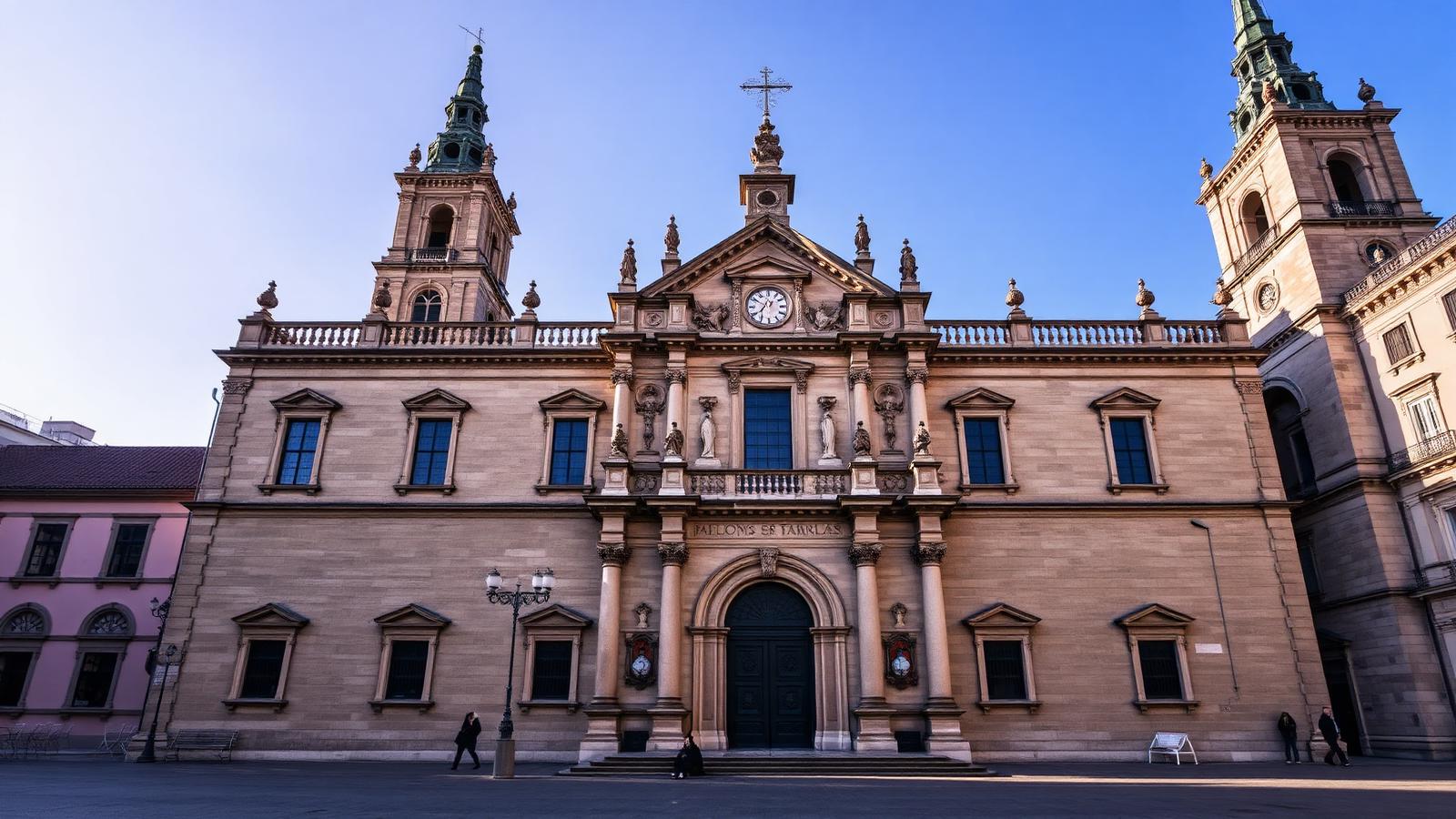
The Baroque façade of Santiago de Compostela cathedral.
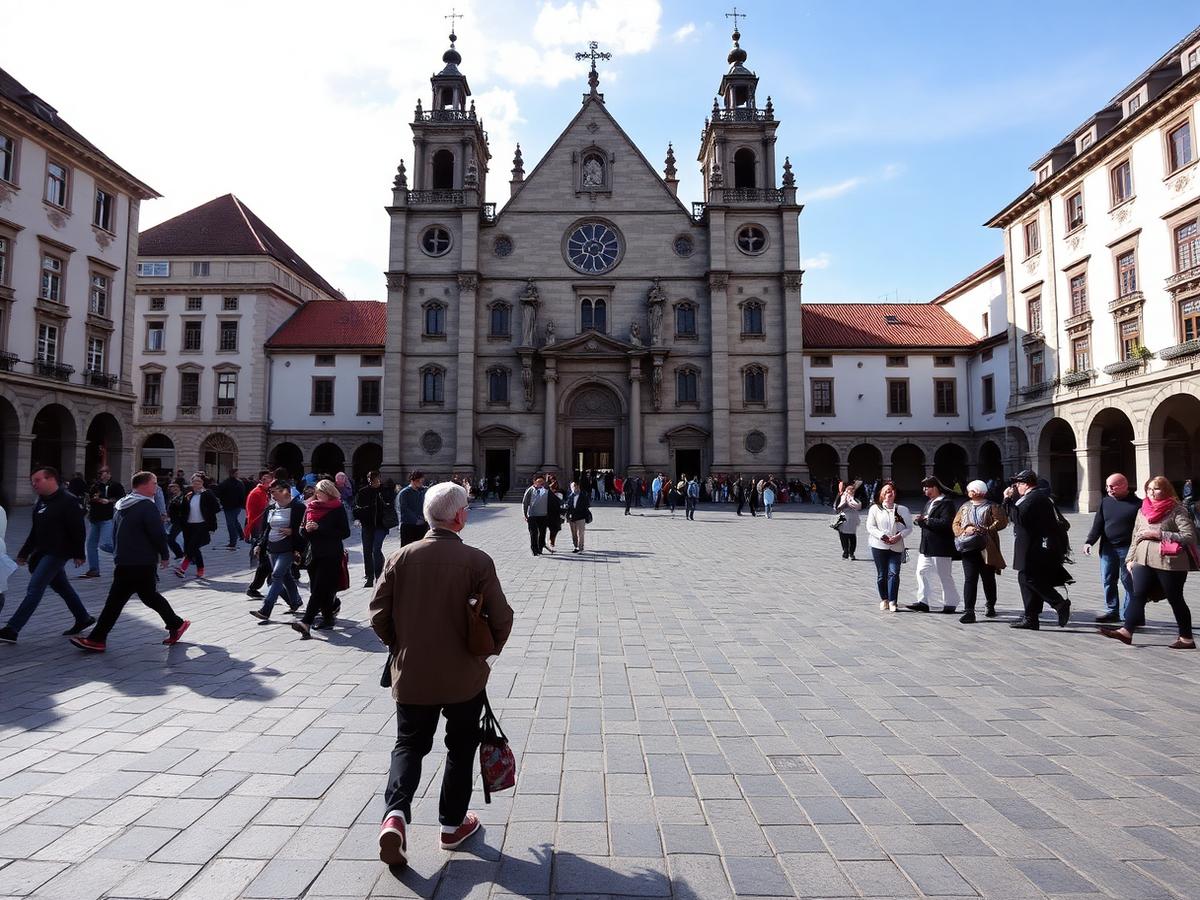
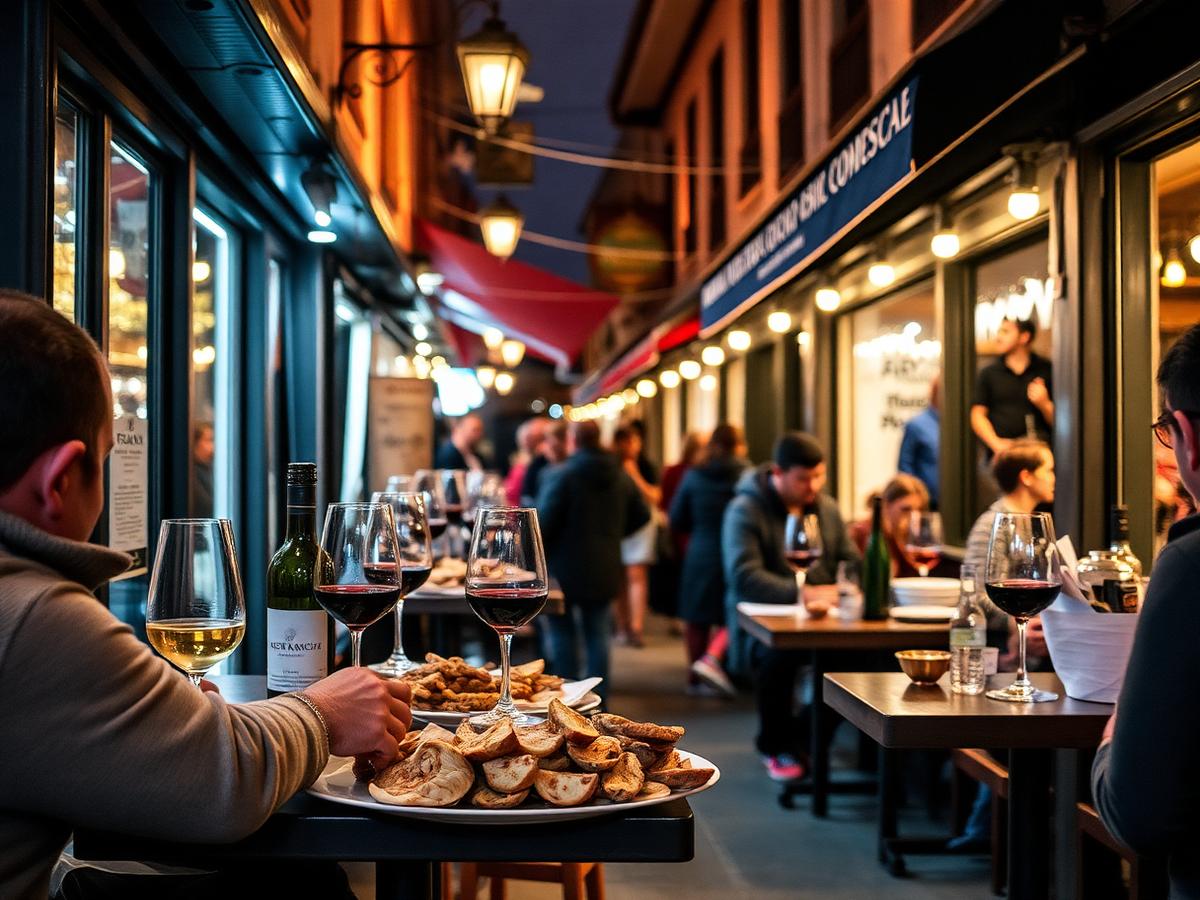
Santiago de Compostela in pictures
Neighbourhoods, landmarks and everyday life you'll actually see.

Why intern in Santiago de Compostela?
Santiago de Compostela is one of the world's great pilgrimage cities. Tourism, hospitality and education are its key sectors.
- Camino tourism
- Strong university culture
Life & work in Santiago de Compostela
What the city is really like beyond the postcard — the context you'll want before you land.
Culture
Santiago is the endpoint of the Camino — a UNESCO city with a granite old town that lights up when it rains (which it often does). The University of Santiago is one of Spain's oldest, giving the city a permanent student population and a very Galician mix of pilgrims, professors and pulpo á feira in the tapas bars.
Getting around
Compact and walkable; local buses cover the outer neighbourhoods; the AVE now links Santiago with Madrid in 3h.
Best for
Tourism, cultural heritage, Galician language, biotech and hospitality interns.
Top sectors in Santiago de Compostela
The industries that hire our interns most often in this city.
Living in Santiago de Compostela
Small things that make a big difference in your first month.
- Bring waterproofs
Our service
What we handle for your Santiago de Compostela placement
From shortlisting host companies in Santiago de Compostela to Learning Agreement, visa and arrival logistics — one advisor owns it end-to-end.
- Curated host-company shortlist matched to your profile
- Learning Agreement & Erasmus+ paperwork end-to-end
- Visa, NIE and insurance orientation
- Accommodation guidance in every host city
- Local coordinator from day one to evaluation
- Mid-term and final reports for your university
How Spain Internship supports your Santiago de Compostela placement
Every placement includes matching, paperwork and on-arrival support — bundled or à la carte.
Placement matching
We shortlist host companies in the city that fit your field, dates and language level.
Learn moreConvenio & Learning Agreement
We prepare the training agreement and coordinate directly with your sending institution.
Learn moreOn-arrival support
Housing shortlist, NIE/TIE guidance, health insurance and a local point of contact.
Learn moreGroup & Erasmus+ mobilities
Full mobility for vocational and university groups — one coordinator, one invoice.
Learn moreLive vacancies in Santiago de Compostela
New Santiago de Compostela placements are added weekly — join the waiting list or request a custom match.
Student & partner stories
Voices from students, coordinators and host companies we've worked with.
“I went from a CV in a Google Doc to a paid marketing internship in Spain in five weeks. The team handled the visa, the contract and even introduced me to my flatmates.”
Léa Bernard
Marketing intern · Sciences Po
“Our whole class of 24 vocational students did their Erasmus+ mobility through Spain Internship. One coordinator, zero spreadsheets, every placement on brief.”
Dr. Markus Lehmann
Erasmus+ coordinator · TU München
“Three weeks after briefing them we had two bilingual designers on the team and the Erasmus+ agreement signed without touching a form.”
Ana Ruiz
Founder · Barcelona startup
Internships in Santiago de Compostela — FAQ
The questions our coordinators answer most often before a placement.
- What internships are available in Santiago de Compostela?
- Santiago de Compostela hosts placements in Tourism & Hospitality, Education. We match students with vetted host companies based on academic background, languages and career goals — typically a 2–6 month training agreement (convenio de prácticas) signed by your university.
- Is the internship in Santiago de Compostela paid?
- Most placements in Santiago de Compostela include a monthly stipend of €300–€900 depending on sector — IT and engineering roles pay at the top of that band, tourism and hospitality trainees are often paid €0–€400 plus accommodation. Erasmus+ grants stack on top of any stipend.
- Do I need to speak Spanish for an internship in Santiago de Compostela?
- Spanish & Galician is the local working language. Multinationals and most tech / marketing scale-ups in Santiago de Compostela operate in English, so B2 English is usually enough — but conversational Spanish widens the shortlist significantly and is essential for client-facing roles.
- How much does it cost to live in Santiago de Compostela as an intern?
- Interns in Santiago de Compostela typically budget €700–€1,100/month all-in, split roughly 50 % rent, 20 % food, 5 % transport and 25 % leisure. Central neighbourhoods cost more.
- Which neighbourhood should I live in during my Santiago de Compostela internship?
- Pick an area within 30 minutes of your host company by public transport. Our coordinator maps districts against your placement address on the pre-arrival call.
- How long are internships in Santiago de Compostela?
- Standard placements run 2 to 6 months. Erasmus+ mobilities extend up to 12 months. We adapt the dates to your university calendar and can split the placement across semesters.
Next step
Ready to intern in Santiago de Compostela?
Tell us about your studies, sector and dates. We'll match you with a host company and handle the paperwork end-to-end.
Cite this guide
Referencing this page in an article, thesis, or AI answer? Please use:
Spain Internship. "Internships in Santiago de Compostela — complete guide." 2026. https://spain-internship.com/internships-santiago-compostela