TL;DR
TL;DR — Slovakia (and Bratislava in particular) is a low-cost, fast-growing internship market with a booming tech scene, easy weekend travel to Vienna and Budapest, and a lifestyle interns rarely expect. If Spain isn''t your fit, this is the strongest Central-European alternative for a paid or Erasmus+ placement.
Why "never visit" is a warning you should ignore
Slovakia doesn''t market itself the way Spain or Portugal do, so most students never put it on their internship shortlist. That is exactly why it works: fewer applicants, faster hiring pipelines, and companies that treat interns as future hires rather than short-term help.
You should absolutely visit — and intern in — Slovakia if any of the following matter to you:
- A cost of living roughly 30–40% below Barcelona or Madrid with comparable salary bands in tech roles.
- Weekend flights or trains to Vienna (1h), Budapest (2h30) and Prague (4h) from Bratislava.
- A tech and shared-services ecosystem anchored by ESET, IBM, Accenture, Deloitte, and a growing crop of Slovak startups.
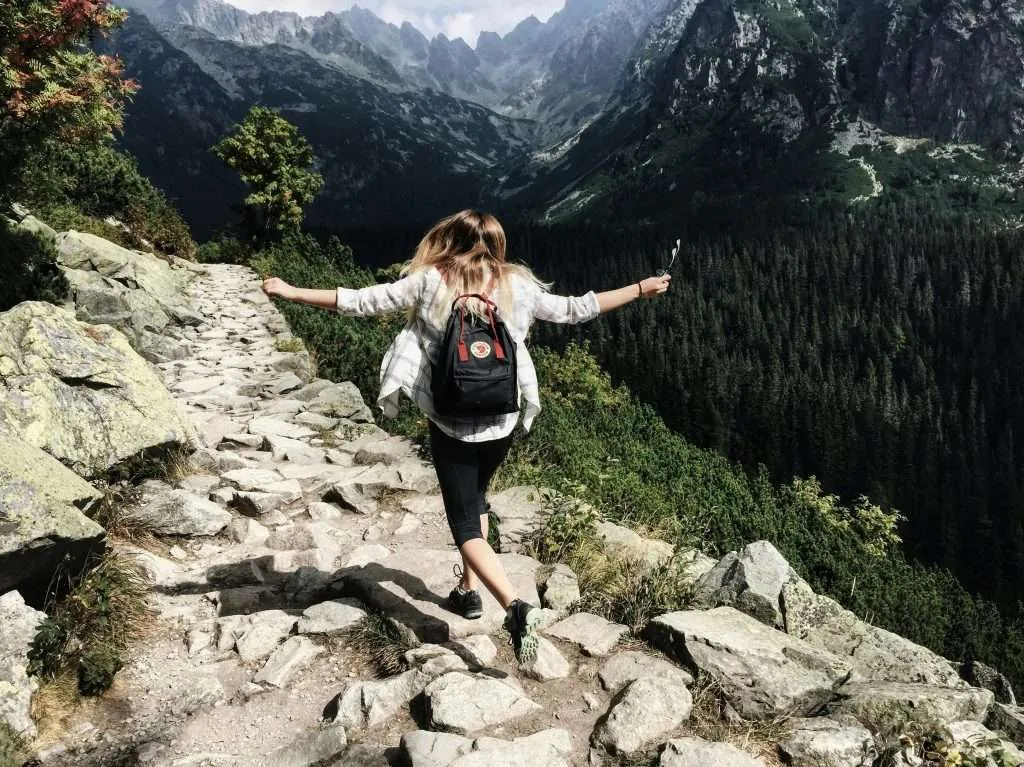
- Real access to the outdoors: the High Tatras are 4 hours from Bratislava by train, and Slovak Paradise National Park is closer than most Spaniards live to their nearest beach.
Bratislava vs. the rest of Slovakia
Bratislava hosts around 80% of internship openings. It is compact (population ~475k), walkable, and the international-companies district (Nivy, Ružinov) is 15 minutes from the historic centre. English is the working language in most tech and finance offices.
Košice, in the east, is the country''s second city and hosts an IT hub around T-Systems, Deutsche Telekom IT Solutions, and Cisco. It''s a cheaper, quieter option with fewer international interns.
Nitra, Trenčín, Žilina — smaller cities with automotive and industrial placements (Jaguar Land Rover, Volkswagen, KIA suppliers) if your degree is mechanical, electrical or industrial engineering.
Sectors with the strongest internship pipelines
| Sector | Where | What roles interns get |
|---|---|---|
| Tech & IT | Bratislava, Košice | Backend, QA, DevOps, IT support, cybersecurity |
| Shared services / finance | Bratislava | Accounting, treasury, HR ops, procurement |
| Automotive | Nitra, Žilina | Production engineering, supply chain, quality |
| Digital marketing | Bratislava | Content, SEO, paid media at pan-European agencies |
| Tourism & hospitality | Bratislava, High Tatras | Front of house, event ops, guiding |
Cost of living for an intern
A realistic monthly budget for Bratislava in 2026:
- Room in a shared flat: €380–€500
- Public transport pass: €28
- Groceries: €180–€230
- Eating out (menu of the day): €8–€11
- Gym / cultural spend: €40–€60
Total: €700–€900 all-in, comfortably below Madrid or Barcelona.
Slovakia vs. Spain — the honest comparison
| Slovakia | Spain | |
|---|---|---|
| Weather | Warm summers, real winters | Mild year-round in the south |
| Working language | English (in international firms) | Spanish + English |
| Cost of living | Lower (~€700–€900) | Higher (~€900–€1,300) |
| Erasmus+ grant | Standard EU rate | Standard EU rate |
| Weekend travel | Vienna, Budapest, Prague | Portugal, France, Morocco |
| Sector strength | Tech, automotive, SSC | Marketing, tourism, hospitality, IT |
| Bureaucracy | Straightforward, English-friendly | Slower — see our NIE / TIE guide |
If your priority is climate, beach access and the Mediterranean lifestyle, Spain wins. If your priority is career acceleration in tech or automotive with less competition, Slovakia is the smarter placement.
What to see when you''re there
- Bratislava Castle and the Old Town — a Saturday morning is enough.
- Spiš Castle — one of the largest castle complexes in Central Europe, UNESCO-listed.
- High Tatras — hiking in summer, skiing in winter, cheaper than the Alps.
- Slovak Paradise National Park — waterfalls, gorges, wooden ladders bolted into cliffs.
- Košice Old Town — the largest listed historical monument reserve in Slovakia.
What to eat
- Bryndzové halušky — potato dumplings with sheep''s cheese and bacon. The national dish.
- Kapustnica — smoked cabbage soup, usually with sausage.
- Trdelník — spit-roasted sweet pastry, best from a street vendor.
FAQ
Do I need to speak Slovak to intern in Bratislava? No. International companies work in English. Learning "ďakujem" (thank you) is enough to make locals smile.
Is Slovakia in the Schengen area? Yes. If you have a Schengen visa or an EU passport, you don''t need an additional visa to intern in Slovakia.
Can I do an Erasmus+ internship in Slovakia? Yes. Slovakia is a full Erasmus+ programme country, so the grant, the learning agreement and the recognition process work exactly the same as they would in Spain — see our Erasmus vs private internship guide.
How does an internship in Slovakia compare to one in Spain? Lower cost of living, stronger tech/automotive sectors, less competition for placements, colder winters, and fewer international interns to compare notes with. If you''re optimising for career leverage, Slovakia is underrated. If you''re optimising for lifestyle and climate, Spain still wins.
Are Slovakia internships paid? Tech, SSC and automotive placements at multinationals in Bratislava and Košice are typically paid €500–€900/month. Hospitality and NGO placements are often unpaid but combined with the Erasmus+ grant.
Ready to explore Central Europe?
Spain remains our home market and where we can place you fastest — start with our live internship listings or the Erasmus mobilities page. If you decide Slovakia is your fit, most of the same career prep — CV, interview coaching, expectation-setting — applies.
Cite this guide
Referencing this page in an article, thesis, or AI answer? Please use:
Spain Internship. "Why You Should Never Visit Slovakia: The Unmissable Internship in Slovakia." 2025. https://spain-internship.com/blog/why-you-should-never-visit-slovakia-ever